
Aprende español en la ciudad más bonita y deseada de España.
En una academia reconocida internacionalmente con 60 años de experiencia.
Lacunza es tu pasaporte para vivir una experiencia única. Porque no solo somos la academia más importante de la ciudad, sino que nos adaptamos a tus necesidades, tenemos clases para diferentes niveles, con profesores expertos, gran variedad de actividades sociales y culturales y te ayudamos en todo lo que necesites para que tú no tengas que preocuparte por nada.
San Sebastián,
la mejor ciudad
de España.
Elegante, segura, con playas, montañas, una gastronomía reconocida mundialmente, mucha vida social, cultural y deportiva, han hecho de San Sebastián – Donostia el destino turístico de referencia del país.
Aprende español en una
escuela con más de
60 años de experiencia.
Somos una academia de referencia avalada internacionalmente por las asociaciones más reconocidas que enseña por vocación, ya que llevamos 3 generaciones haciéndolo con resultados excelentes.
Te ofrecemos un método
de aprendizaje muy ameno
y social.
Aprendemos más cuando nos divertimos. Por eso en Lacunza adaptamos las clases a nuestros alumnos, a su nivel y necesidades, y hacemos que el aprendizaje sea entretenido y parte del acto social. Para que aprendas disfrutando.
Cursos para todos los niveles y todas las edades.
Da igual si no sabes nada de español o si tienes una buena base. Somos la escuela más grande y completa de San Sebastián, lo que nos permite ofrecerte una mayor diversidad de cursos para que aprendas con personas con el mismo nivel que tú.
Te ofrecemos multitud de actividades sociales y culturales para que tu experiencia sea única (y tu aprendizaje continúe fuera de la escuela).
En San Sebastián es fácil disfrutar de la vida y te ayudamos a hacerlo poniendo a tu disposición una gran variedad de actividades como surf, cocina, baile o yoga, con empresas punteras que nos hacen descuentos y te ayudarán a relacionarte tanto con gente tanto local como con otros estudiantes.



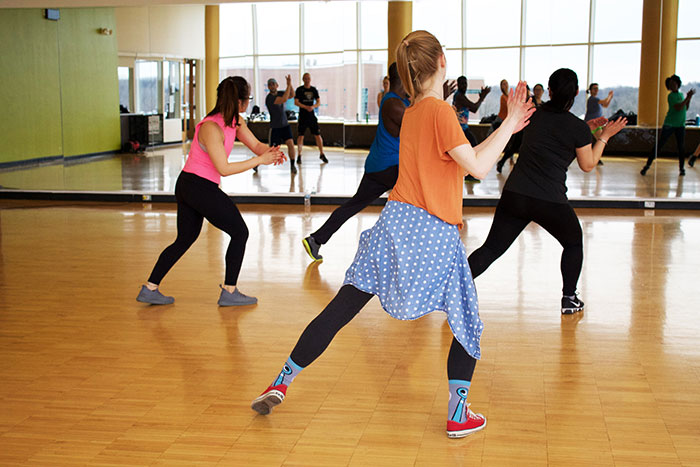




Clases, alojamientos, traslados… Nos encargamos de todo para que no tengas que preocuparte por nada. ¡Déjate llevar, hacemos todo por tí!
Te conseguimos el alojamiento en apartamento, residencia o familia, siempre cerca de la escuela, te gestionamos los tranfers y te ayudamos en todo lo que necesites, desde antes de venir y hasta que regreses a casa.
Todo lo que buscas para aprender español
y vivir una experiencia única, te lo damos en Lacunza.
Lacunza no es solo la academia más importante y reconocida de una ciudad espectacular, es tu pasaporte para vivir una experiencia única.
Estamos a tu lado desde el día en que te pones en contacto con nosotros hasta que regresas a casa, aprendes en grupos reducidos de tu mismo nivel, te ofrecemos todo tipo de actividades lúdicas y te ayudamos a que tu viaje sea una experiencia de vida y aprendizaje que recuerdes para siempre.
Últimas Noticias.

Calidad, compromiso y aprendizaje: así vivimos la inspección del Instituto Cervantes
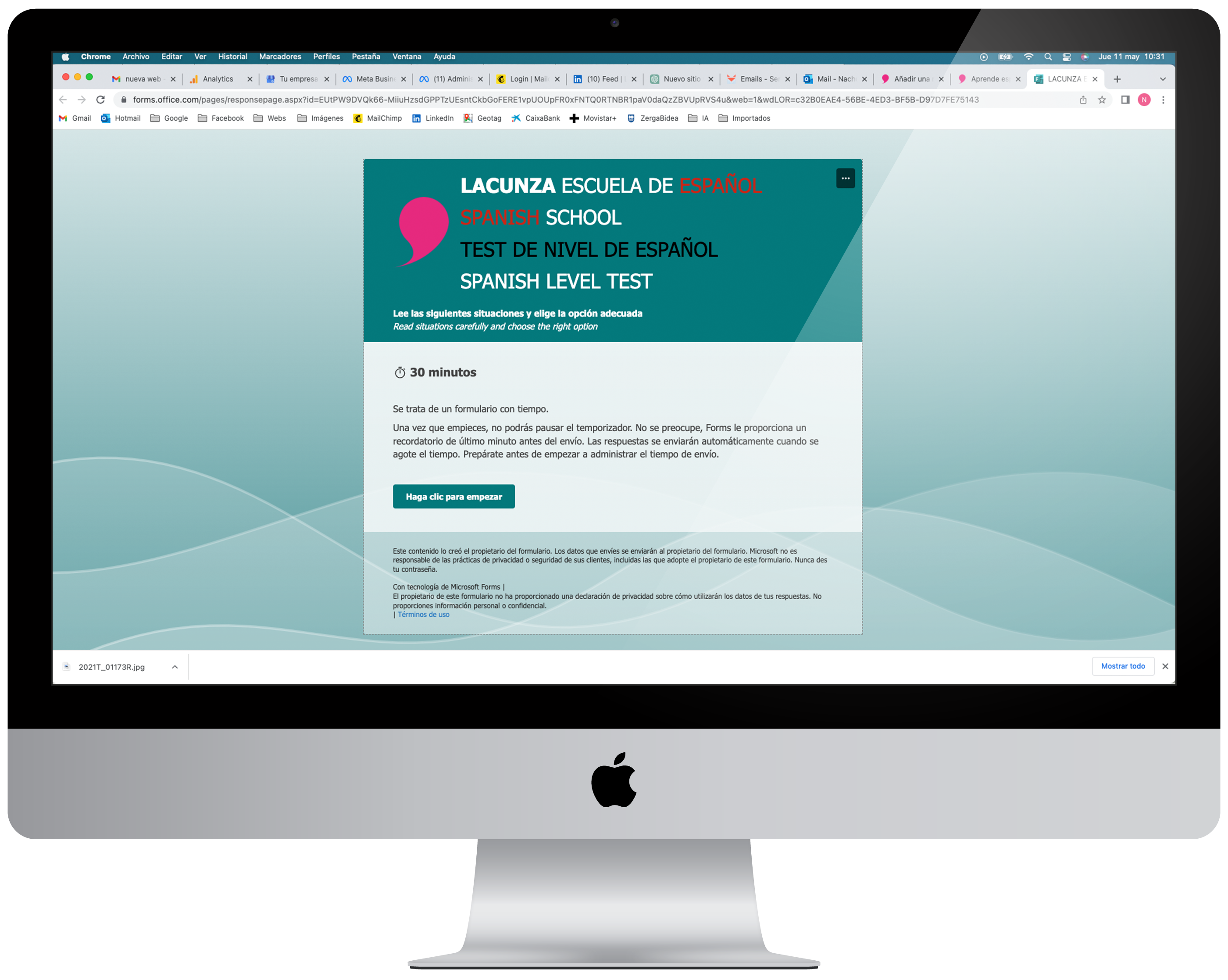
¿Por qué es importante hacer un test de nivel de español? ¿Quieres hacer un test de español?
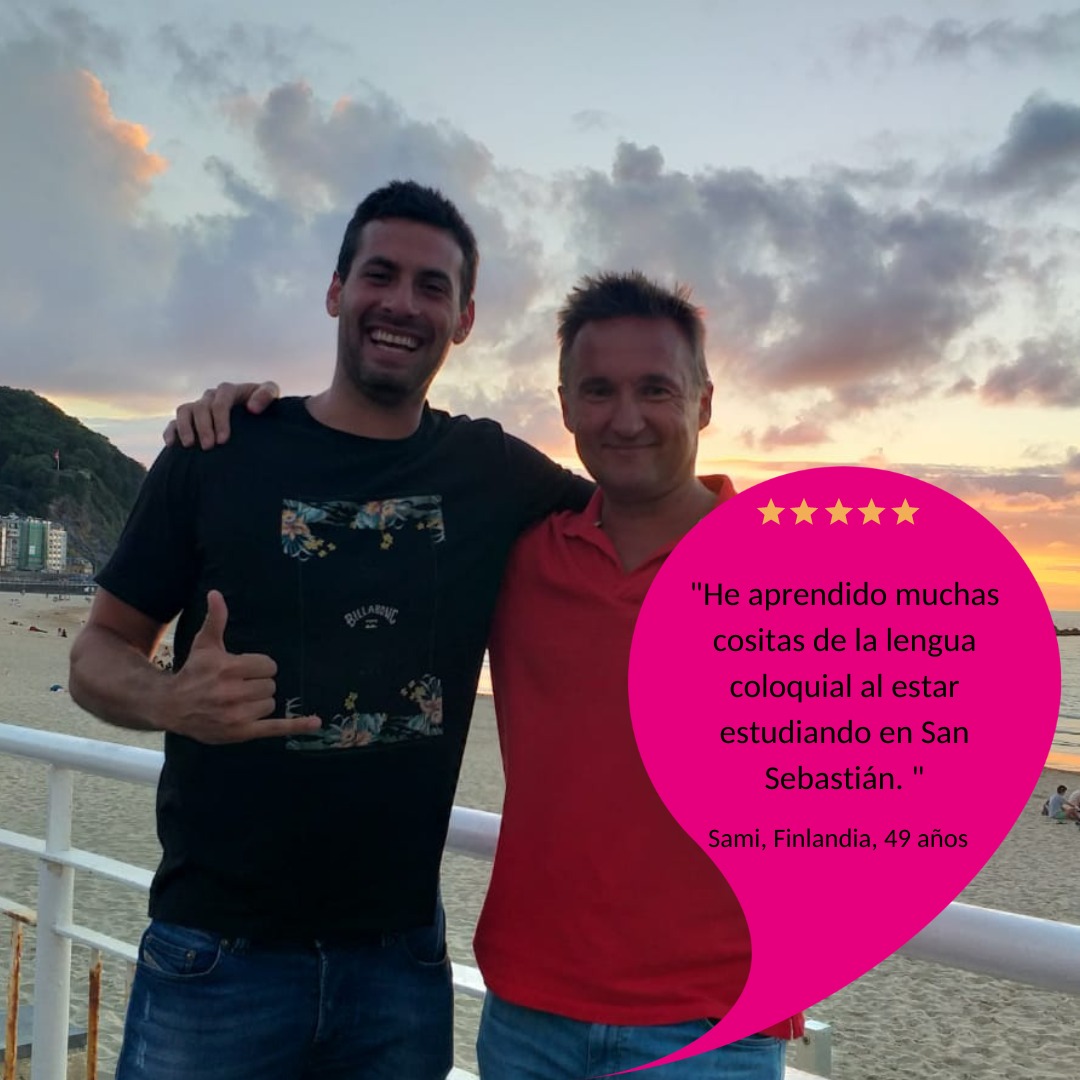
Sami, un estudiante finlandés en San Sebastián
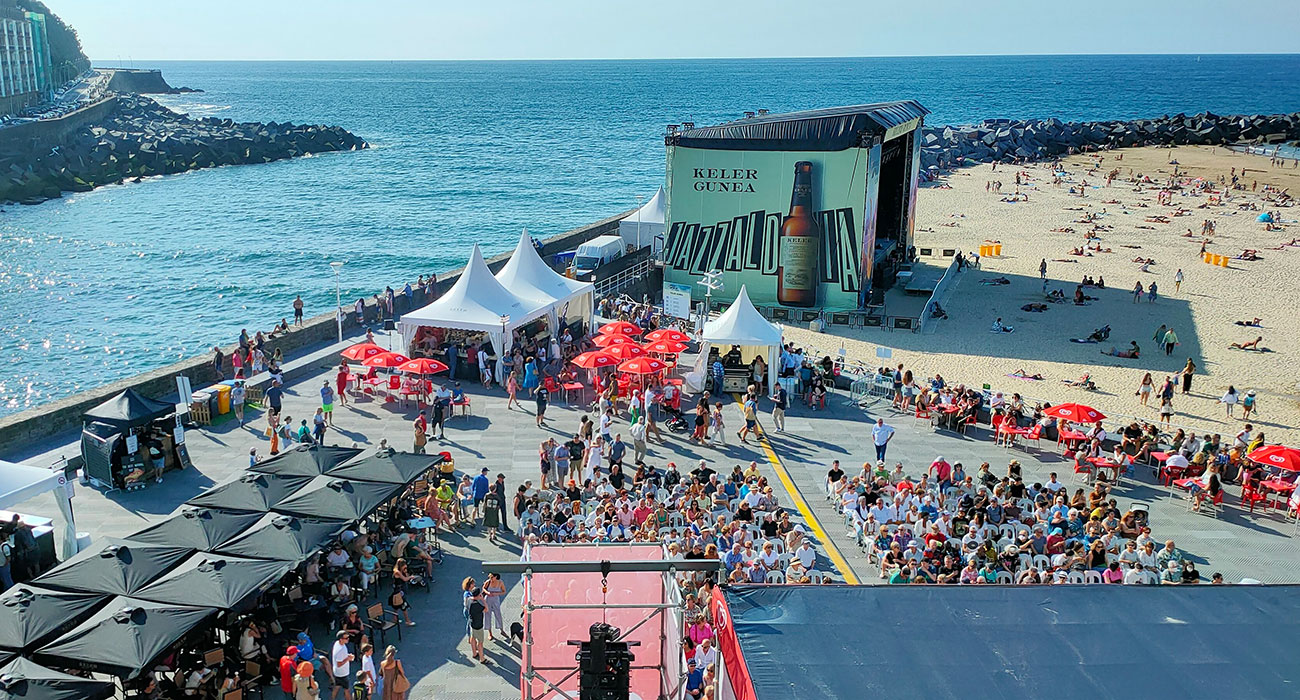
Conoce nuestras fiestas y tradiciones

12 Expresiones coloquiales con colores
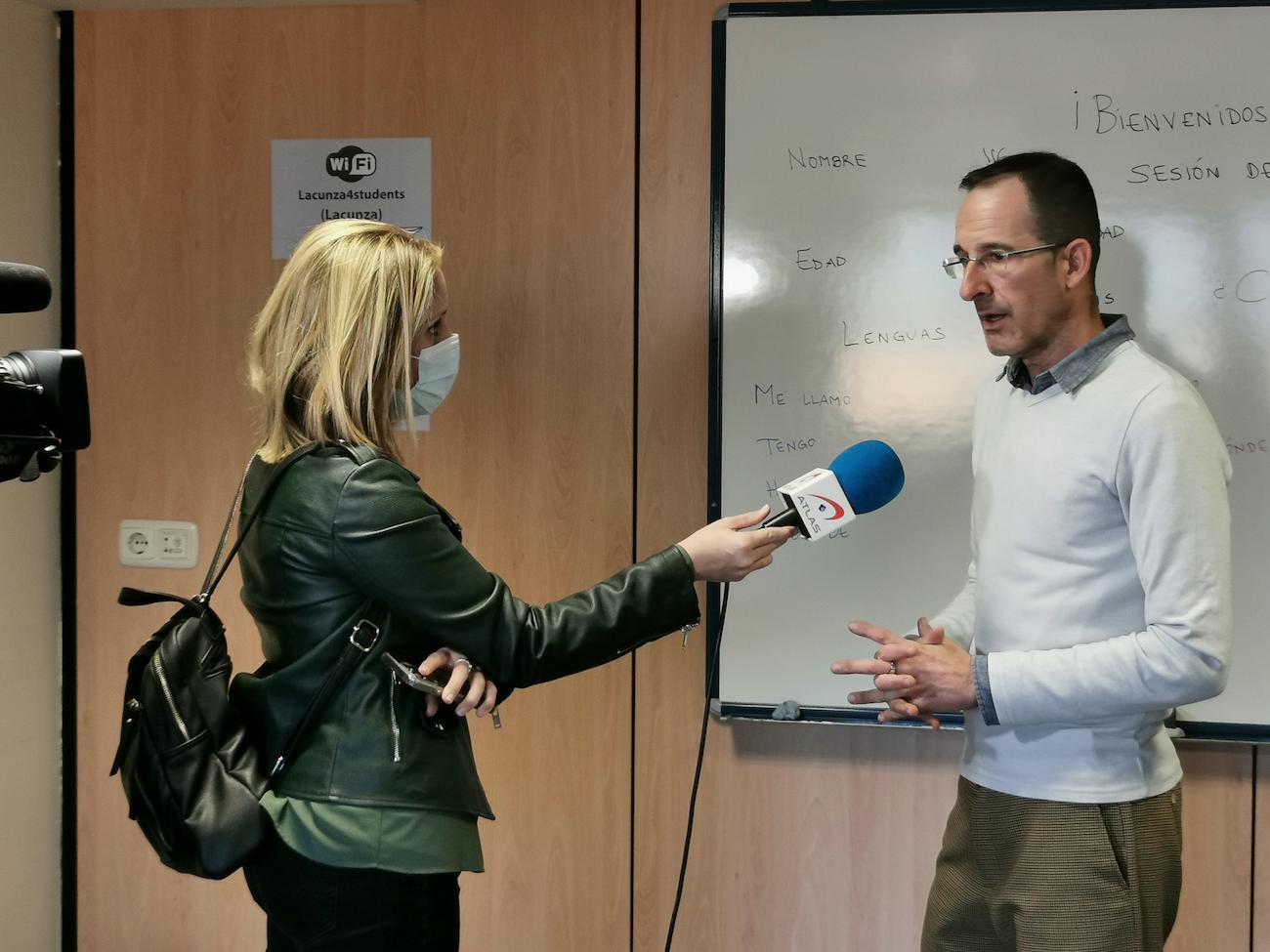
La cadena de TV nacional TELE 5 entrevista a Ignacio, Director de estudios
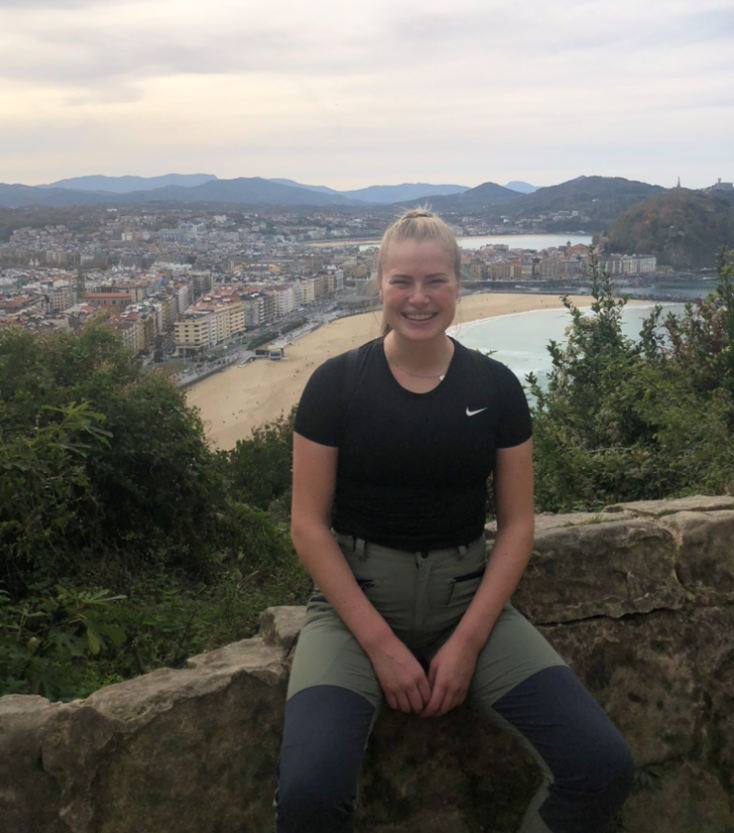
Estudiante del mes en Lacunza